
For the past decade, ultra-modern minimalist homes dominated architectural trends. Glass walls, polished concrete floors, and crisp white interiors became the signature of contemporary luxury.
But many homeowners are discovering something unexpected once they move in.
These homes can feel cold, sterile, and surprisingly difficult to live with.
Smudges show on every surface. Hard materials echo sound. Large glass facades can make interiors feel more like a gallery than a home.
As a result, a new trend is emerging in high-end residential design: Warm Minimalism — sometimes described as “lived-in luxury.”
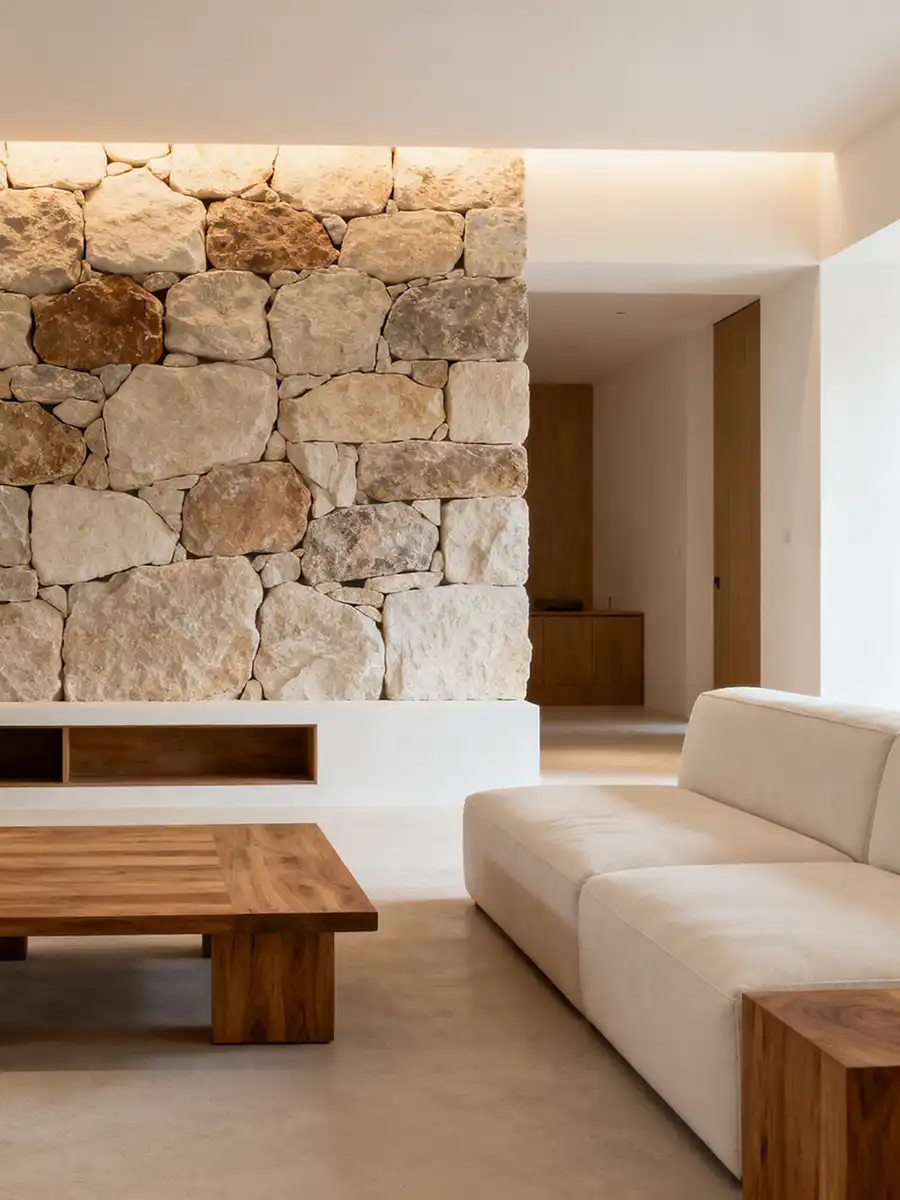
Instead of removing character, this approach introduces natural texture, tactile materials, and subtle warmth, while still maintaining the clean architectural lines people love.
The End of the “Cold Glass Box”
Minimalism is not disappearing. It is evolving.
Architects are now designing homes that still feel modern and refined, but are also comfortable, durable, and welcoming for everyday living.
Rather than relying solely on glass, steel, and polished surfaces, designers are introducing materials that add depth and natural character.
Some of the most popular materials emerging in 2026 include:
- Rammed earth feature walls
- Off-shutter concrete with timber grain patterns
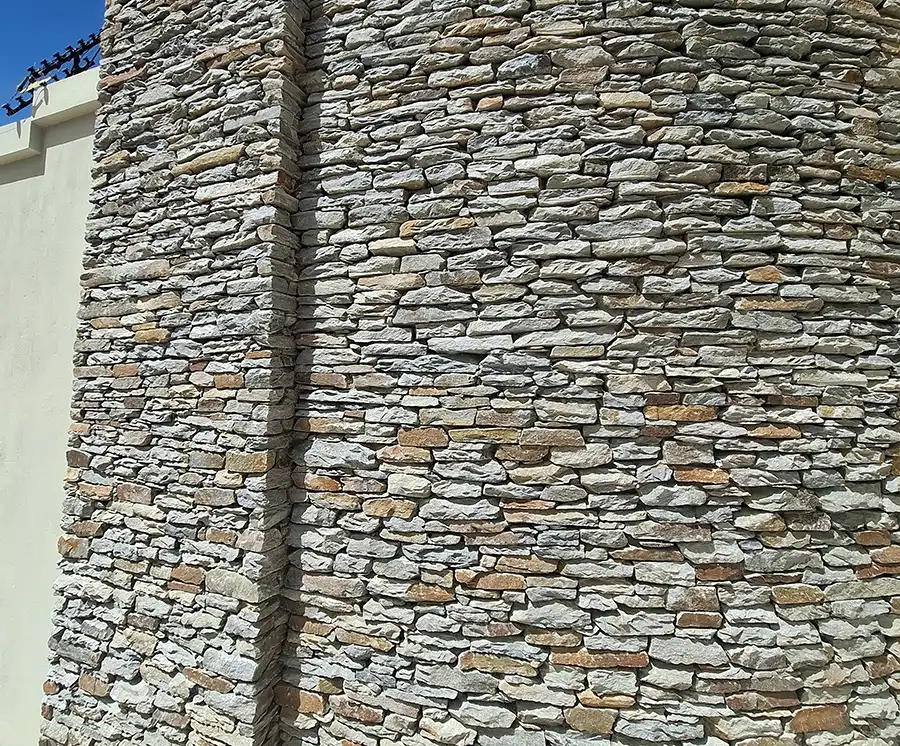
- Hand-laid natural stone masonry
- Warm timber ceilings and joinery
- Textured plaster finishes
These materials create subtle visual contrast while maintaining the clean, uncluttered look that modern homes are known for.
Why Texture Matters in Modern Homes
One of the key ideas behind warm minimalism is tactility — how materials feel, not just how they look.
In traditional minimalist design, surfaces are often perfectly smooth and reflective. While striking in photos, they can feel impersonal in everyday life.
Natural materials introduce:
- Softness and warmth
- Visual depth and shadow
- Unique character that improves with age
Stone, timber, and earth-based materials develop patina over time, giving homes a sense of permanence and authenticity that polished surfaces often lack.
This is why many architects are now blending modern geometry with traditional construction techniques.
The Hidden Performance Benefit: Thermal Mass
Beyond aesthetics, these materials also offer significant practical performance benefits.
Many natural materials used in warm minimalism provide excellent thermal mass.
Thermal mass allows walls and floors to absorb heat during the day and slowly release it at night, helping stabilise indoor temperatures.
In South Africa’s climate, this can help:
- Reduce reliance on heating and cooling systems
- Improve energy efficiency
- Create more consistent indoor comfort
Rammed earth, concrete, and stone are particularly effective in this regard.
So the shift toward tactile materials is not just about design — it’s also about building smarter, more energy-efficient homes.
Craftsmanship Is Becoming the New Luxury
Another reason this trend is gaining traction is the renewed appreciation for craftsmanship.
In a world of mass-produced finishes and imported materials, homeowners are increasingly drawn to locally sourced materials and skilled artisan work.
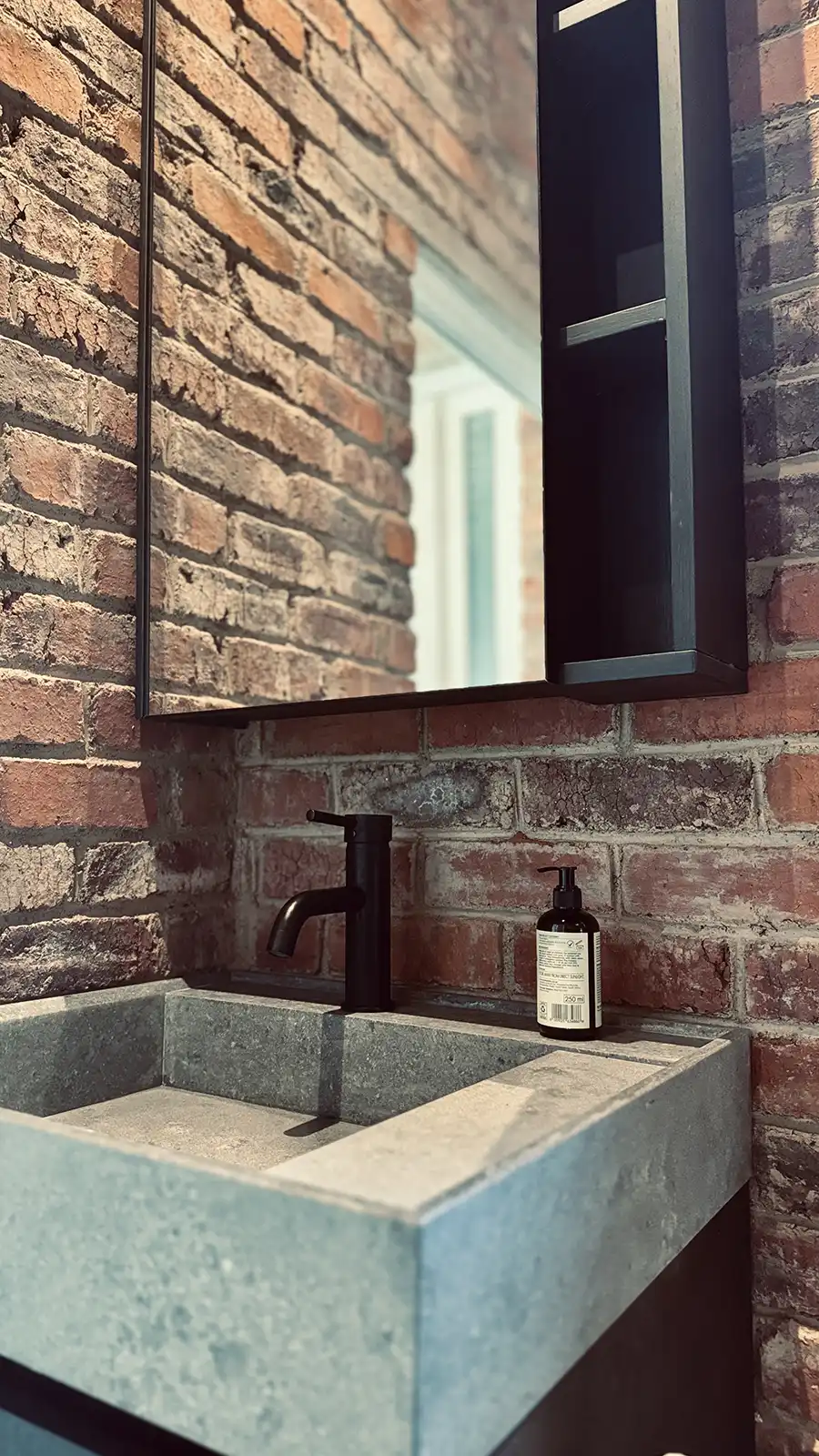
Hand-laid stone, exposed concrete with natural grain patterns, and carefully detailed timber joinery bring a sense of authenticity and individuality to a home.
No two surfaces are identical.
And that imperfection is exactly what makes the space feel alive.
Modern Homes Should Feel Like Homes
Minimalist architecture is at its best when it balances clarity with comfort.
The next generation of modern homes is moving away from sterile perfection and toward spaces that feel natural, grounded, and lived in.
Warm minimalism proves that contemporary design doesn’t have to sacrifice character.
Instead, it celebrates materials, craftsmanship, and the subtle textures that make a house feel like a home.
Thinking about building or renovating?
The materials chosen during construction have a lasting impact on how a home feels, performs, and ages over time. Careful planning during the design stage can ensure your project achieves both modern sophistication and lasting comfort.
Final Thoughts
A well-designed outdoor entertainment area is more than a trend — it’s an investment in how you live.
Whether attached to your home or built as a stand-alone pavilion, the key is proper planning, professional execution, and designing the space to operate independently year-round.
When done right, it becomes the heart of the home.
Our Professional Services Include:


Office: 010 023 0507
Business Whatsapp: 079 526 1950
Email: admin@unitechsa.co.za
Norman Koster – 066 239 0382
Desiree Koster – 082 608 2291
