
Flooring is one of the most important design and construction choices in any home. It affects how a space looks, how it feels underfoot, and how well it stands up to everyday life. With so many materials available today, homeowners often find themselves choosing between aesthetics, durability, cost, and maintenance.
Understanding the differences between flooring materials can make that decision much easier. Some options offer timeless beauty but require careful upkeep, while others are designed for durability and convenience in high-traffic areas.
Let’s take a look at some of the most common flooring materials found in homes today: tile, laminate, vinyl, and hardwood, and what makes each one suitable for different spaces.
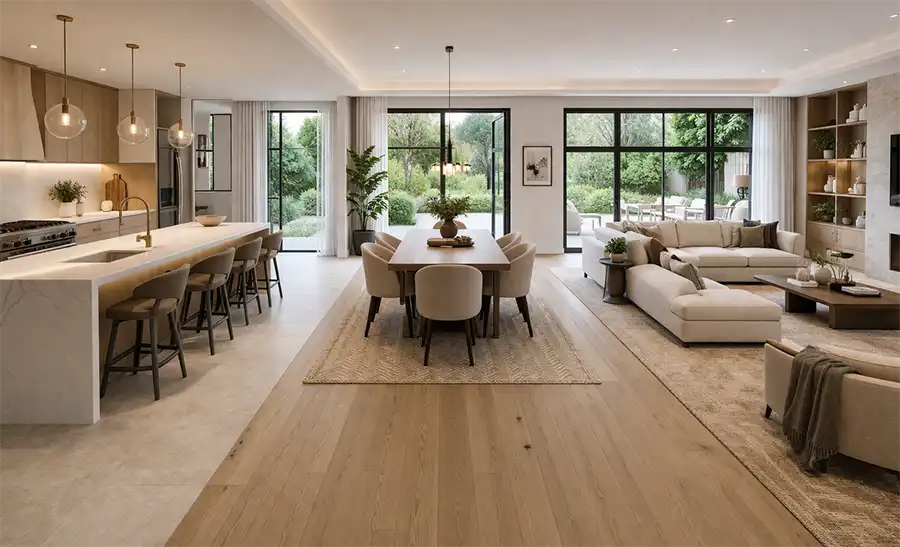
Tiling: Ceramic, Porcelain, and Natural Stone
Tile flooring is one of the most durable and widely used flooring options. It is especially common in kitchens, bathrooms, and high-traffic living areas because of its strength.
Ceramic tiles are typically the most affordable option. They are made from clay and finished with a glazed surface that protects the tile and provides a wide range of colors and patterns. Ceramic tiles are durable and easy to clean, making them a popular choice for everyday spaces.
Porcelain tiles are similar to ceramic but manufactured at higher temperatures, making them denser and less porous. This gives them greater durability and water resistance, which is why porcelain is often used in outdoor spaces.
Natural stone tiles—such as marble, slate, limestone, or granite—offer a more luxurious and organic appearance. Because they are cut from natural materials, each tile has unique patterns and textures. While stone floors can be stunning, they generally require more maintenance, including sealing to prevent staining and moisture absorption.
One of the biggest advantages of tile flooring is longevity. When installed correctly, tile can last for decades. It is resistant to scratches, easy to clean, and handles heavy foot traffic extremely well.
However, tile can feel cold and hard underfoot. In colder climates, many homeowners pair it with underfloor heating for added comfort. Grout lines also require occasional cleaning or resealing to prevent discoloration over time.
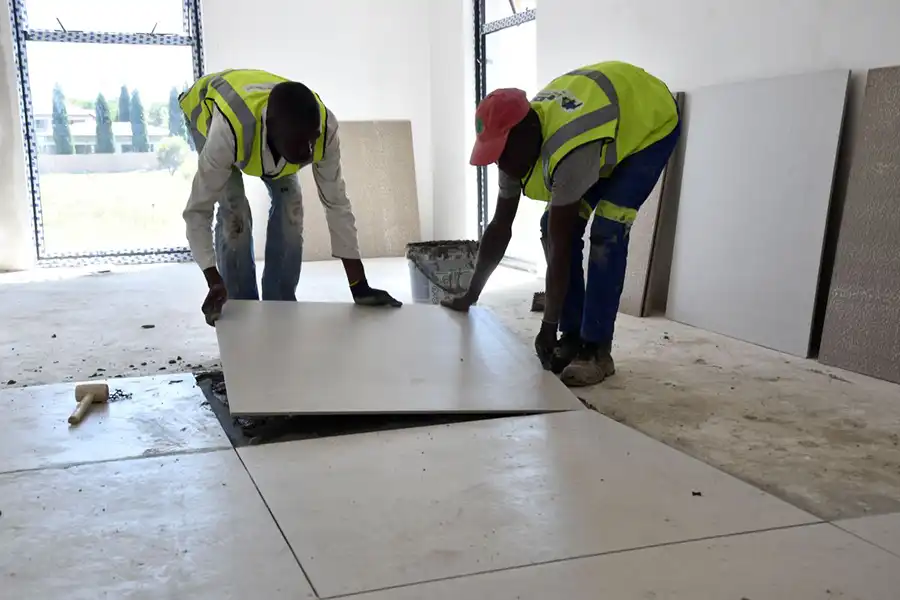
Laminate Flooring
Laminate flooring is a popular alternative to hardwood for homeowners who want the appearance of wood at a more affordable price point. It is made from multiple layers of synthetic material with a high-resolution image layer that mimics the look of wood or stone.
Modern laminate flooring has improved significantly in both durability and appearance. Many products feature textured surfaces that replicate the grain and feel of natural wood.
One of laminate’s main advantages is its ease of installation. Most systems use click-lock planks that float over the existing subfloor, allowing for relatively quick installation. Laminate is also resistant to scratches and fading, making it a good option for households with pets or children.
The primary limitation of laminate flooring is moisture sensitivity. Excessive water exposure can cause the boards to swell or warp. For that reason, laminate is generally better suited to living rooms, bedrooms, and hallways rather than bathrooms or laundry areas.
Maintenance is simple: regular sweeping or vacuuming and occasional damp mopping will keep laminate floors looking clean.
Vinyl Flooring
Vinyl flooring has evolved dramatically over the past decade and is now one of the most versatile flooring materials available. It comes in sheets, tiles, and planks, and modern luxury vinyl products can closely resemble wood or stone.
One of vinyl’s biggest advantages is its resistance to moisture. Many vinyl floors are completely waterproof, making them ideal for kitchens, bathrooms, and basements.
Vinyl is also softer and warmer underfoot compared to tile, which adds comfort in areas where people stand for longer periods, such as kitchens.
From a cost perspective, vinyl tends to be one of the more budget-friendly flooring options. Installation is relatively straightforward, and ongoing maintenance is minimal. Regular sweeping and mopping are typically all that’s required.
The main downside is that vinyl can dent or scratch under heavy furniture or sharp objects. Lower-quality products may also fade or show wear over time. However, higher-end luxury vinyl plank (LVP) flooring has become remarkably durable and is widely used in modern home renovations.
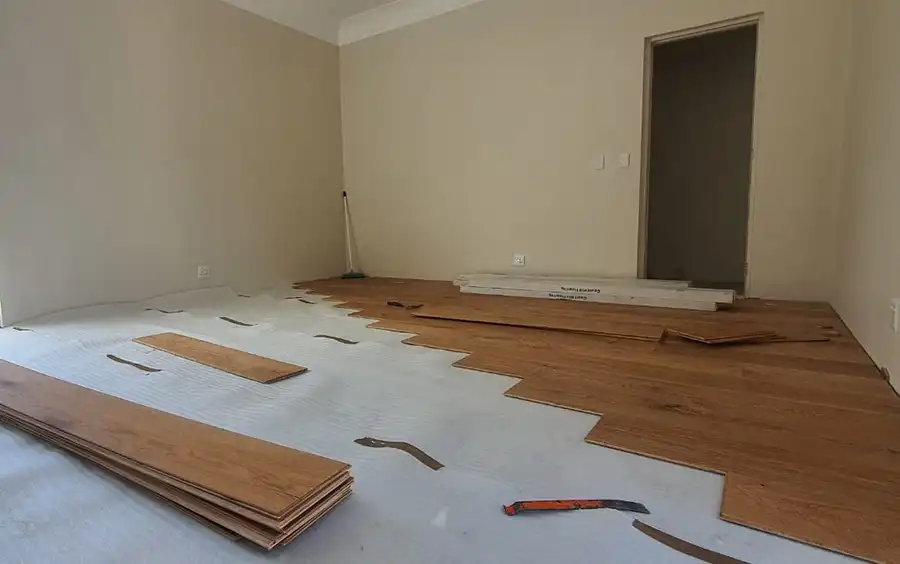
Hardwood Flooring
Hardwood flooring remains one of the most timeless and sought-after flooring materials. Made from solid wood planks such as oak, maple, or teak, hardwood floors add warmth, character, and long-term value to a home.
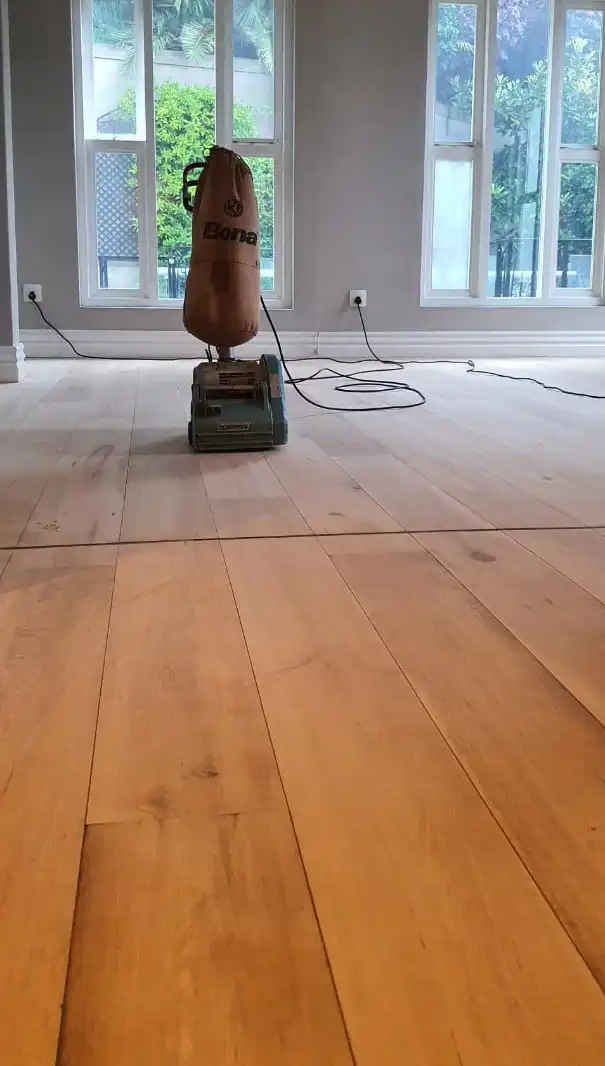
One of hardwood’s biggest advantages is longevity. Unlike many other flooring materials, hardwood can be sanded and refinished multiple times throughout its life. This means a well-maintained hardwood floor can last for generations.
Hardwood also has character with natural grain patterns and subtle variations that make each installation unique.
However, hardwood does require more careful maintenance than some other flooring options. It is sensitive to moisture and can expand or contract with changes in humidity. Scratches from pets, furniture, or heavy traffic can also occur, although refinishing can restore the surface.
From a cost perspective, hardwood is typically one of the more expensive flooring options, both in material and installation. Despite this, it often adds significant resale appeal and long-term value to a property.
Cleaning hardwood floors generally involves sweeping or vacuuming regularly and using specialized wood floor cleaners when needed.
Choosing the Right Flooring for Your Home
Selecting the right flooring involves balancing durability, maintenance, aesthetics, and budget. Different areas of the home may benefit from different materials depending on how the space is used.
For high-traffic areas, porcelain tile, vinyl, and laminate tend to perform well due to their durability and ease of maintenance.
For homeowners looking for a premium, long-term investment, hardwood or natural stone can provide a timeless aesthetic and increase a home’s perceived value.
For spaces where moisture is a concern—such as kitchens, bathrooms, or basements—vinyl or porcelain tile typically offers the best performance.
Ultimately, the right choice depends on the specific needs of the household, the design style of the home, and how much maintenance the homeowner is comfortable with over time.

Final Thoughts
Flooring is not simply a finishing touch—it plays a major role in how a home functions and how it ages over time. By understanding the differences between materials such as tile, laminate, vinyl, and hardwood, homeowners can make informed decisions that balance style, durability, and practicality.
The right flooring choice should not only complement the design of the home but also support the way the space will be used for years to come.
Our Professional Services Include:


Office: 010 023 0507
Business Whatsapp: 079 526 1950
Email: admin@unitechsa.co.za
Norman Koster – 066 239 0382
Desiree Koster – 082 608 2291
