
When people think about roofing materials, the first consideration is usually appearance. Tiles, metal sheeting, or a flat concrete roof can dramatically change the look of a home.
But from a construction perspective, the choice of roof material affects far more than aesthetics. It influences the structural design of the building, the pitch of the roof, installation timelines, and the long-term maintenance of the home.
Understanding these practical implications early in the design stage helps avoid unexpected costs and ensures the roof works with the architecture rather than against it.
The Cost of the Roofing Material Itself
The most visible cost is, of course, the material itself. Roofing options vary significantly in price depending on the product and finish.
Concrete roof tiles are generally considered a mid-range option. They are widely used and relatively affordable while offering durability. Clay tiles tend to sit at the higher end of the market due to their longevity and distinctive aesthetic.
Metal roof sheeting is often cost-effective, particularly when installation efficiency is taken into account. Large sheets cover significant areas quickly, which can reduce labour costs.
Concrete roof slabs, used in flat roof designs, are typically one of the more expensive options upfront because they involve reinforced concrete construction as well as waterproofing systems.
While the material cost is important, it is only one part of the overall roofing equation.
How Roof Weight Affects the Structure
One of the most significant differences between roofing materials is weight.
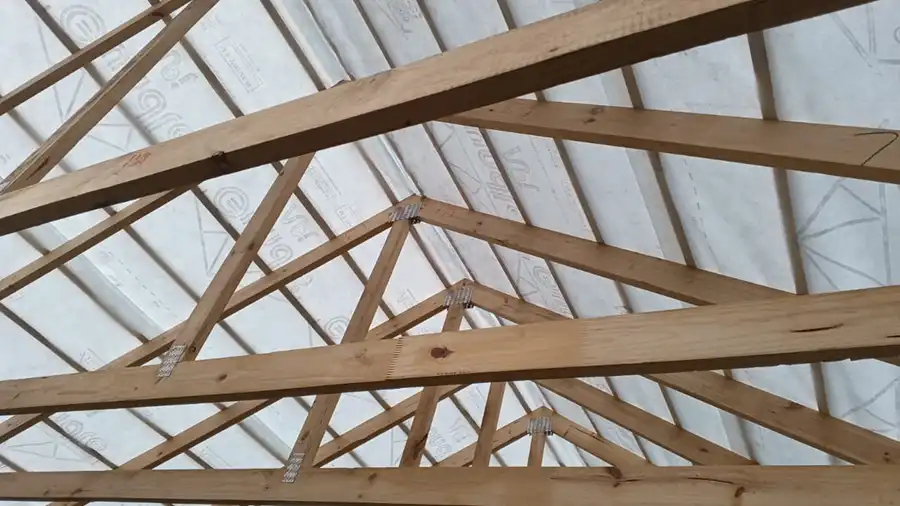
Tile roofs, whether concrete or clay, are relatively heavy. Because of this, the roof structure must be designed to support the additional load. This often means stronger roof trusses, closer spacing between trusses, and a more robust structural design overall.
Metal roofing, on the other hand, is considerably lighter. The reduced weight can allow for lighter roof structures and sometimes lower structural costs.
Concrete roof slabs represent the heaviest structural option. They form part of the building’s structural system and require careful engineering to ensure the load is safely supported by the walls and foundations.
These structural implications are why the roof material is ideally decided early in the design process, rather than changed later once the structure has already been designed.
Roof Pitch and Architectural Design
The choice of roofing material also influences the pitch, or slope, of the roof.
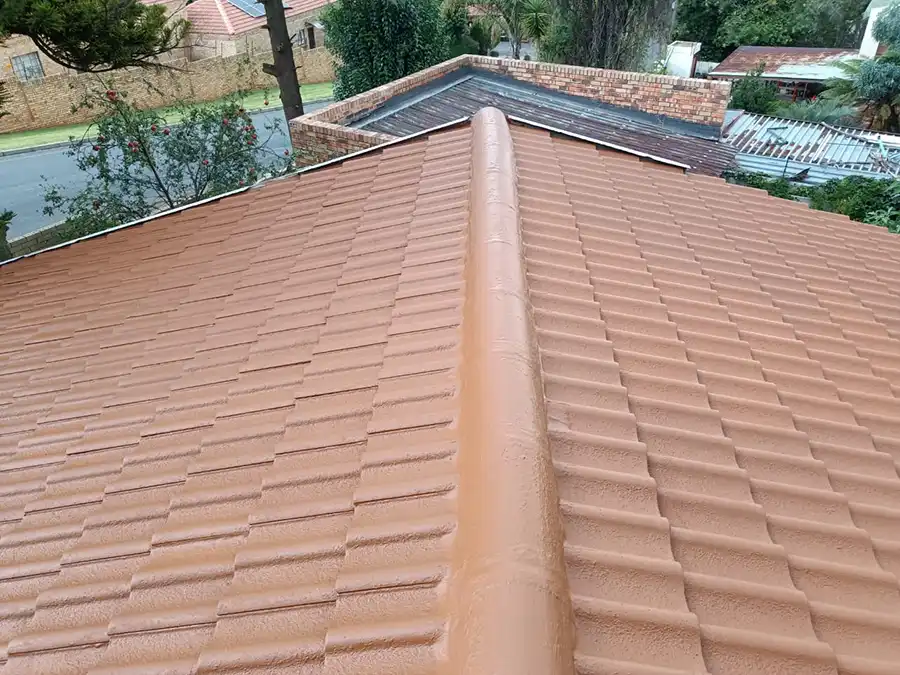
Tile roofs generally require a moderate pitch to ensure water drains properly between the overlapping tiles. This naturally leads to the familiar pitched roof form seen on many residential homes.
Metal sheeting is more versatile in this respect. It can function on lower roof pitches because the sheets create continuous waterproof surfaces rather than relying on overlapping individual units.
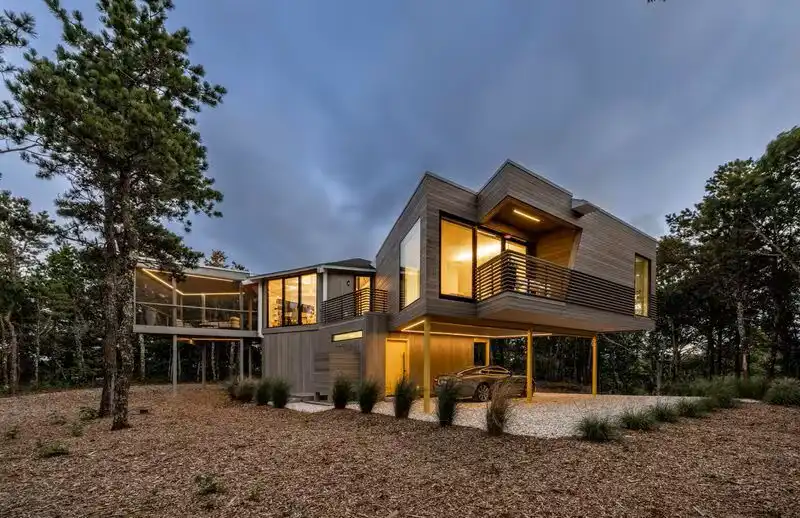
Concrete roof slabs form flat roofs. These designs are often associated with modern architecture and require carefully planned drainage systems to prevent water accumulation.
Because roof pitch plays such a large role in the overall design of a house, the roofing material and architectural concept are usually developed together.
Maintenance Over the Life of the Roof
Every roofing system requires some level of maintenance, though the frequency and type of maintenance vary.
Tile roofs generally require minimal upkeep, though individual tiles may occasionally crack or shift and need replacement. Periodic inspections are usually sufficient to ensure the roof remains in good condition.
Metal roofs also require relatively low maintenance, but fasteners and protective coatings should be checked periodically. In coastal environments, corrosion protection becomes particularly important.
Flat concrete roofs rely heavily on their waterproofing systems. These membranes or coatings typically require inspection and occasional reapplication over time to ensure continued protection against water penetration.
Regular inspection of any roof system is one of the most effective ways to prevent small issues from becoming costly repairs.
Installation Time and Complexity
Installation timelines can also vary considerably depending on the roofing system.
Metal roofing is generally one of the fastest systems to install because large sheets cover large areas quickly. This efficiency can shorten construction timelines.
Tile roofs take longer to install because each tile must be individually positioned and secured. While this process is labour intensive, it is widely understood and commonly used in residential construction.
Concrete roof slabs involve the most complex installation process. Formwork must be built, reinforcement installed, concrete poured and cured, and waterproofing applied afterward. This makes flat concrete roofs slower to construct but structurally integrated with the building.
Choosing the Right Roofing System
Each roofing material brings its own combination of advantages and constraints.
Some systems offer lighter structures and faster installation, while others provide long-term durability or specific architectural qualities. The best choice ultimately depends on the design of the home, the structural system, and the long-term expectations for maintenance.
By considering factors such as material cost, structural implications, roof pitch, maintenance requirements, and installation timelines, homeowners and designers can make more informed decisions that support both the design and performance of the building.
Our Professional Services Include:


Office: 010 023 0507
Business Whatsapp: 079 526 1950
Email: admin@unitechsa.co.za
Norman Koster – 066 239 0382
Desiree Koster – 082 608 2291
